
Just as you wouldn’t run a marathon without training, you shouldn’t start sending thousands of emails from a new domain or IP without warming it up first. Email warm-up is vital for hitting inboxes, especially if you are shooting from a new IP or domain. Mailbox providers like Gmail and Outlook want to see steady, consistent behavior before they trust your messages.
Let’s walk through what email warming is and how to do it the right way.
Email warm-up is the process of building up your sending volume and engagement gradually so that mailbox providers recognize your emails as legitimate.
Instead of blasting your full list on day one, you should start small by sending a handful of emails to a handful of recipients, and slowly increase the number over time. This signals to providers that your domain is trustworthy and that your recipients actually want your messages.
In short, warming is about building a reputation. A thoughtful warm-up process:
There are several advantages to Email Warming. And If you’ve ever wondered how to warm up an email domain, this is your sign to get started.
Here’s a simple step-by-step approach to email warming:
Knowing common mistakes to avoid is just as important as learning the tricks of how to warm up an email domain. Here are some common mistakes you should avoid:
While it’s a different context, some people confuse “warm email sign-off” (the way you end a friendly message) with email warm-up (the deliverability process). While both matter, they serve different purposes. A warm signature like “Best regards” or “Talk soon” can help build relationships and strengthen your reputation, but it is by no means the same as email warm-up.
Email warming is one of the most important steps in email marketing, especially if you are shooting from a new domain or IP. To get it right, go slow and be consistent.
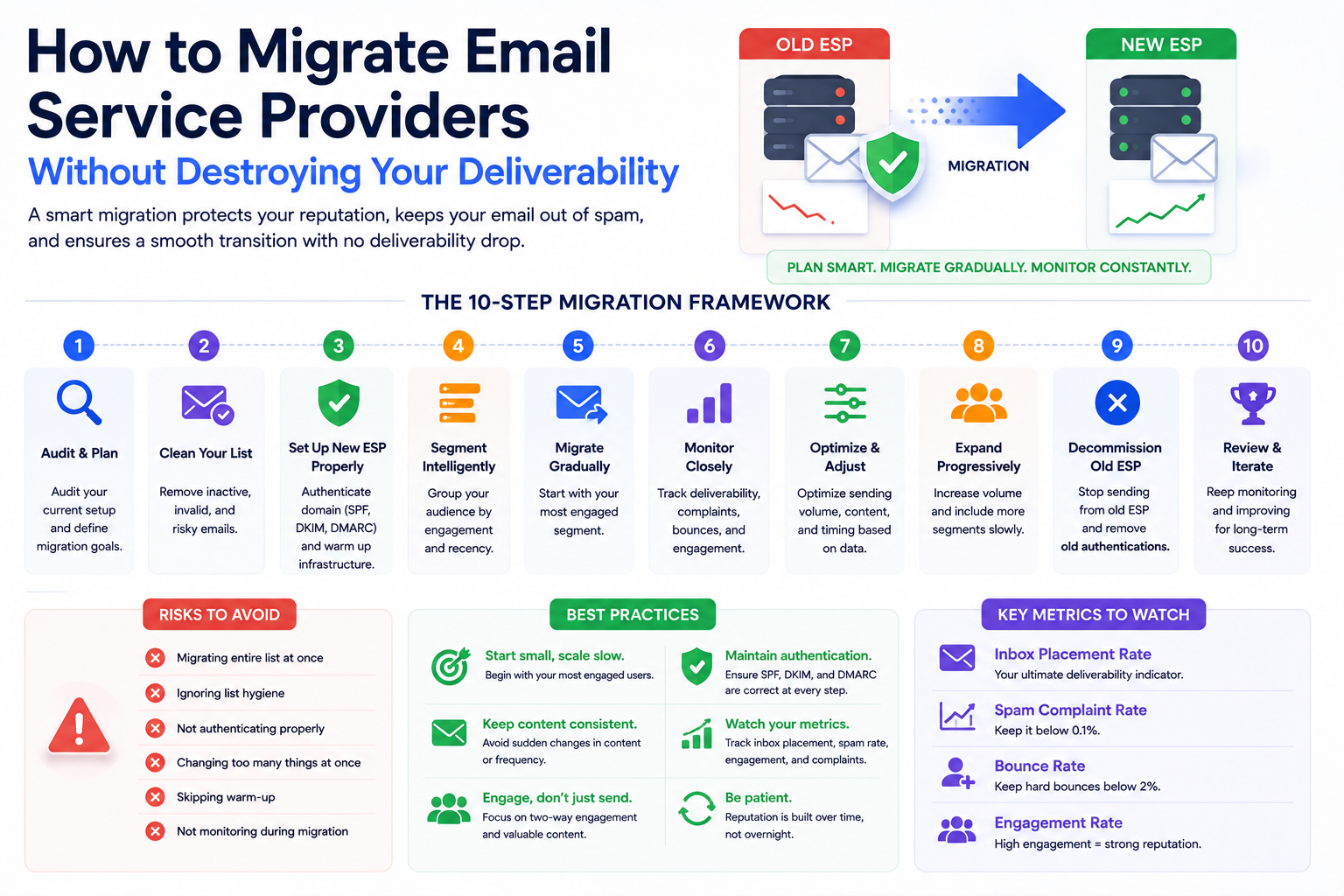
Switching email platforms is a high-risk deliverability event. This guide shows you exactly how to migrate your ESP safely, protect your sender reputation, and
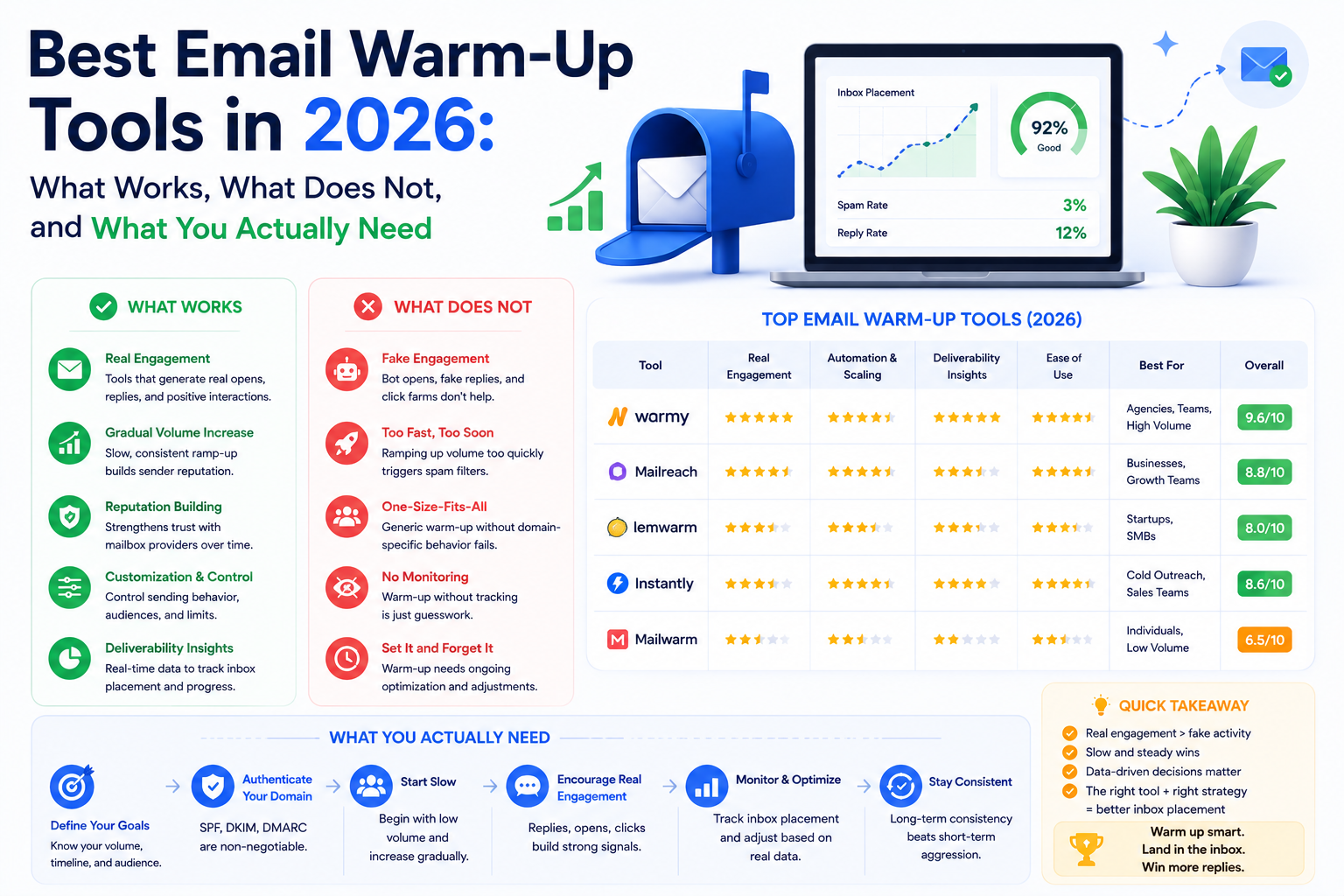
Thinking of using an email warm-up tool? This guide reviews how automated warm-up tools work, what they can and cannot do, and whether you actually need one for
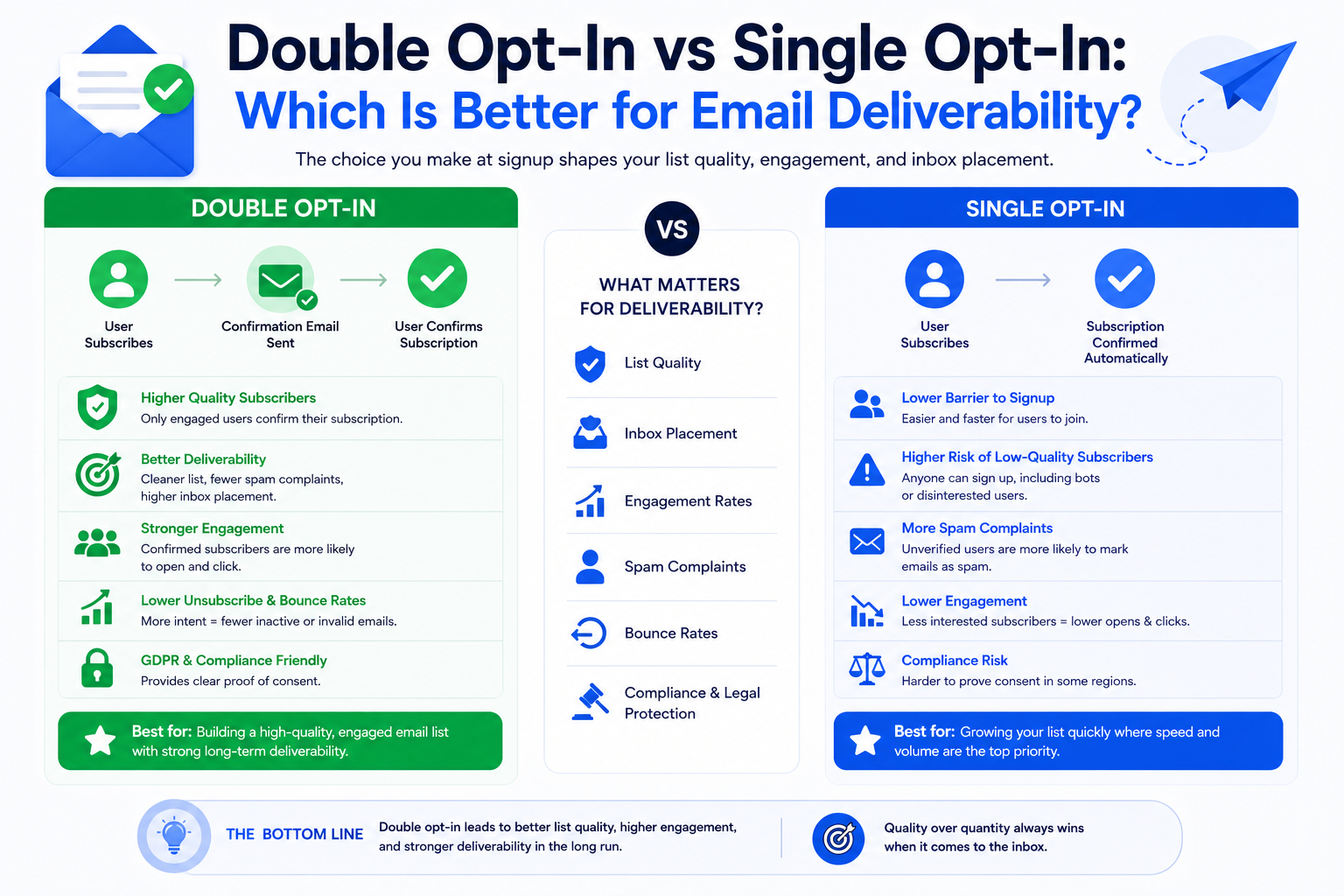
Double opt-in builds a cleaner list and better deliverability. Single opt-in grows faster. This guide explains the real trade-offs and which approach is right f
Our highly experienced email deliverability managers consistently help clients achieve inbox placement rates (IPR) of more than 90% by uncovering and resolving the issues that keep messages from their intended recipients. Are you ready to do the same?