
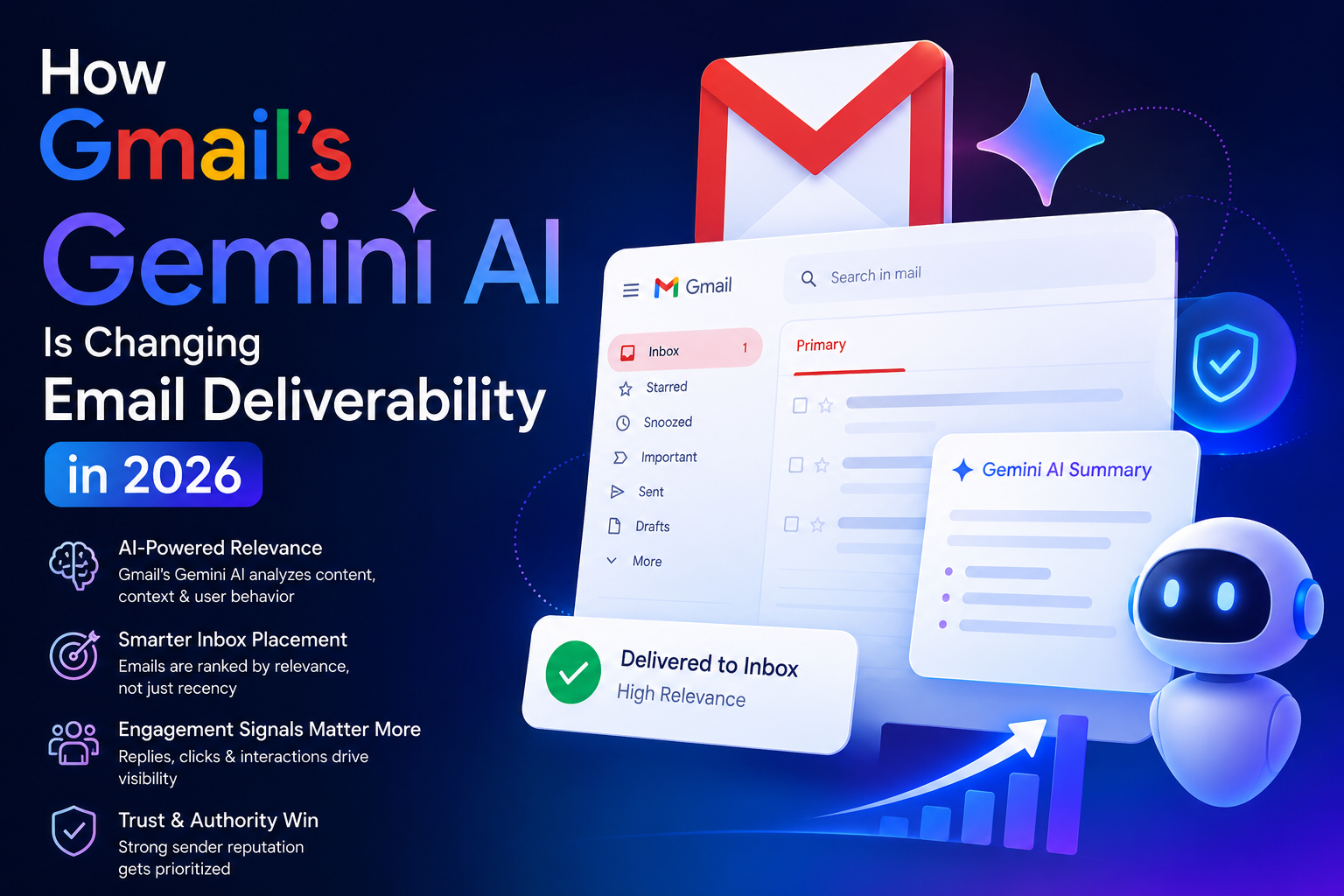
Something fundamental shifted in email deliverability in early 2026. Gmail — which accounts for more than 72% of all email opens across major providers — quietly rolled out Gemini AI across its entire inbox. This was not a minor update. It was the most significant change to how email gets filtered and prioritized since Gmail introduced tabs back in 2013. And most email senders had no idea it was happening until they started noticing something strange in their metrics.
Open rates climbed. Click-through rates dropped. And for many senders, inbox placement started behaving in ways that their old playbook simply could not explain. In this guide we break down exactly what Gmail's Gemini AI is doing, why it is rewriting the rules of deliverability, and what you need to do right now to stay ahead of it.
Gemini AI is Google's large language model, and it is now integrated directly into Gmail. It reads your emails before recipients do. It generates summaries that appear at the top of the message. It prioritizes certain emails in the inbox based on what it judges to be relevant and valuable to each individual user. And most critically for senders: it makes filtering decisions based on content quality and semantic relevance, not just traditional spam signals.
This means the spam filter has fundamentally changed its nature. It is no longer just looking for blocked keywords or suspicious links. It is now making a qualitative judgment about whether your email is actually useful to the person receiving it. If Gemini decides your email is low value or generic, it gets deprioritized even if every technical deliverability signal is perfectly clean.
Here is one of the strangest side effects of Gemini AI: open rates have become unreliable as a performance metric. Gmail's AI appears to auto-open emails in order to generate summaries, which inflates open count data significantly. Senders across multiple platforms reported open rate increases of 5 to 15 percentage points in the months following the Gemini rollout, without any corresponding improvement in revenue or click-throughs.
At the same time, click-through rates dropped noticeably. The reason is straightforward: if a recipient reads a well-written AI summary of your email and feels satisfied with the information, they have no reason to open the full message or click through to your website. The summary consumed the value your email was supposed to deliver. This is a structural challenge that content strategy needs to address.
If your analytics show rising opens alongside falling clicks, Gemini AI is almost certainly the explanation. Do not optimize for open rates right now. Optimize for clicks and downstream actions, because those are the metrics that still reflect genuine human engagement.
This is the most important shift in the Gemini era. Content quality — the clarity, structure, and genuine usefulness of what you write — has become a deliverability factor, not just a marketing consideration. Gmail's AI evaluates whether your email is well-structured, front-loads its value, and delivers something meaningful to the recipient.
Emails that bury the key point, use filler language, or feel like generic broadcast messages are being deprioritized by the AI even when they pass all technical spam filters. Emails that open with a clear, specific, relevant point — written for a real person rather than a segment — perform dramatically better in Gemini's filtering.
Our guide on email deliverability best practices for content and structure covers many of these principles, but in the Gemini era the stakes are higher because content quality now directly affects whether your email is seen at all.
It is critical to understand that Gemini AI does not replace traditional deliverability signals. It adds a new layer on top of them. Your SPF, DKIM, and DMARC authentication still need to be perfectly configured. Your sender reputation still matters enormously. Your list hygiene still affects your inbox placement across every provider. Gemini AI is an additional filter on top of all the existing ones — it does not make the old rules irrelevant, it makes them table stakes.
If your authentication is broken or your domain reputation is poor, Gemini AI will not rescue you. You need to get the fundamentals right first. Our email deliverability audit covers every layer of your sending environment, including how your content is likely to perform under AI-driven inbox filtering.
Front-load your value. The first 100 to 200 characters of your email are what Gemini reads to generate its summary. If your key point is buried in paragraph three, the AI summary will miss it and the recipient may never engage with the actual content. Put your most important and specific information at the very beginning.
Write for one person, not a segment. Generic broadcast copy is exactly the kind of content Gemini AI deprioritizes. Emails that address a specific situation, reference specific context, and feel personal to the individual recipient signal quality to the AI the same way they signal quality to a human reader.
Eliminate filler. Every sentence in your email should either deliver information or move the reader toward an action. Introductory sentences like "I hope this email finds you well" or "As we discussed in our last newsletter" are filler that the AI reads as noise. Cut them.
Keep your structure clear. Use short paragraphs. Make your call to action obvious and specific. Structure your email so that both a human reader and an AI model can immediately understand what you are asking them to do.
Gmail is not the only inbox provider deploying AI-driven filtering. Microsoft has been rolling out its own AI-based inbox prioritization for Outlook users throughout 2025 and into 2026. Our detailed analysis of Outlook deliverability changes in 2026 covers what Microsoft has implemented and how it affects cold email senders specifically.
The direction across all major providers is the same: AI-driven, engagement-based filtering that rewards relevance and punishes generic broadcast behavior. The senders who adapt their content strategy now will have a significant advantage as these changes fully mature.
In the Gemini era, the best deliverability strategy and the best content strategy are now the same thing. Emails that are genuinely useful, specific, and well-structured reach the inbox. Everything else gets filtered.
If you want to understand how your current emails are performing under AI-driven filtering and what specific changes would improve your inbox placement, talk to a Formula Inbox deliverability expert. Or start with a complimentary inbox placement test to see exactly where your emails are landing right now across all major providers.
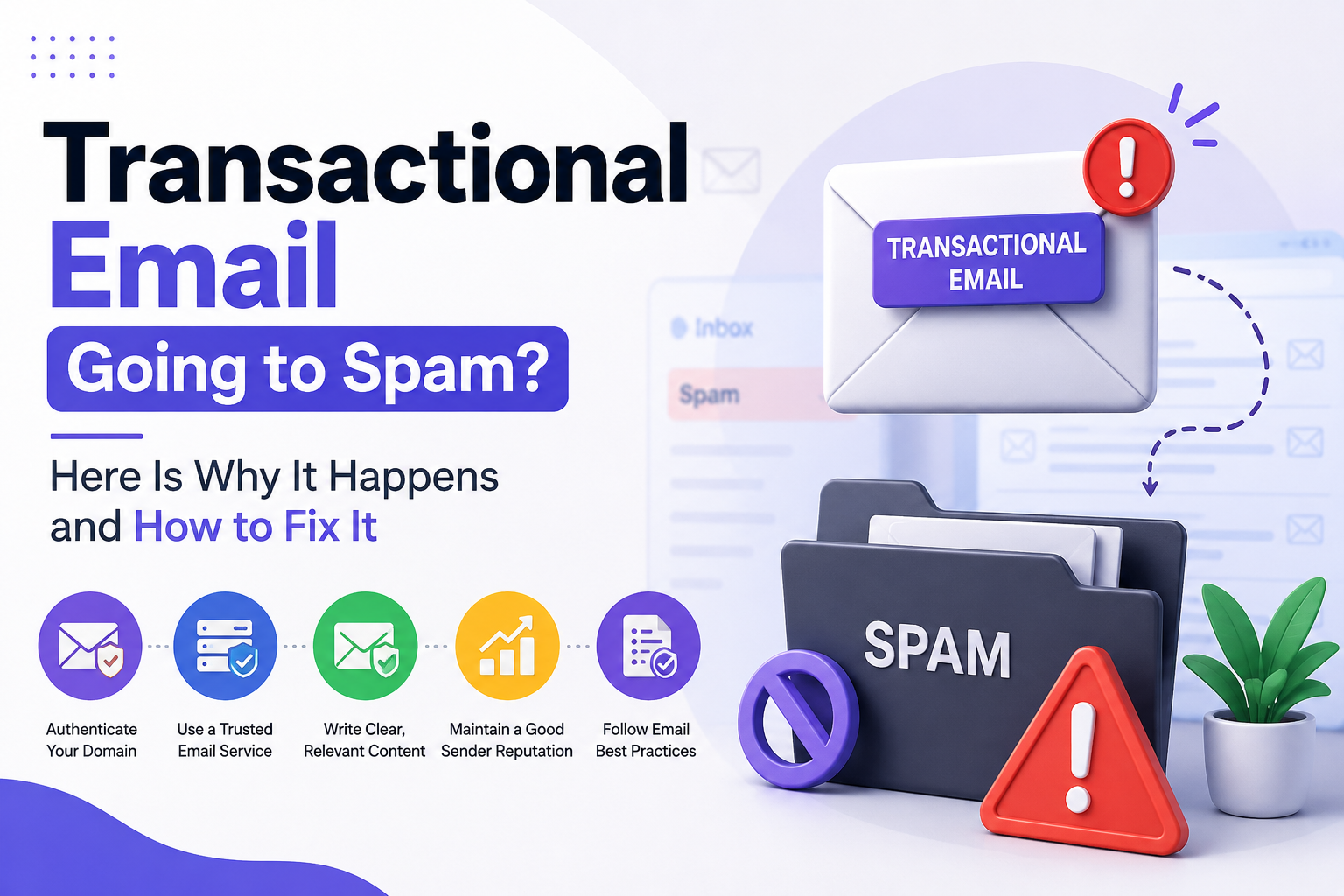
Order confirmations, password resets, and shipping notifications going to spam cost you customers and trust. Learn exactly why transactional emails go to spam a

Email deliverability rules changed dramatically in 2025 and 2026. This guide covers every major shift from Gmail, Yahoo, Microsoft, and AI-driven filtering — an
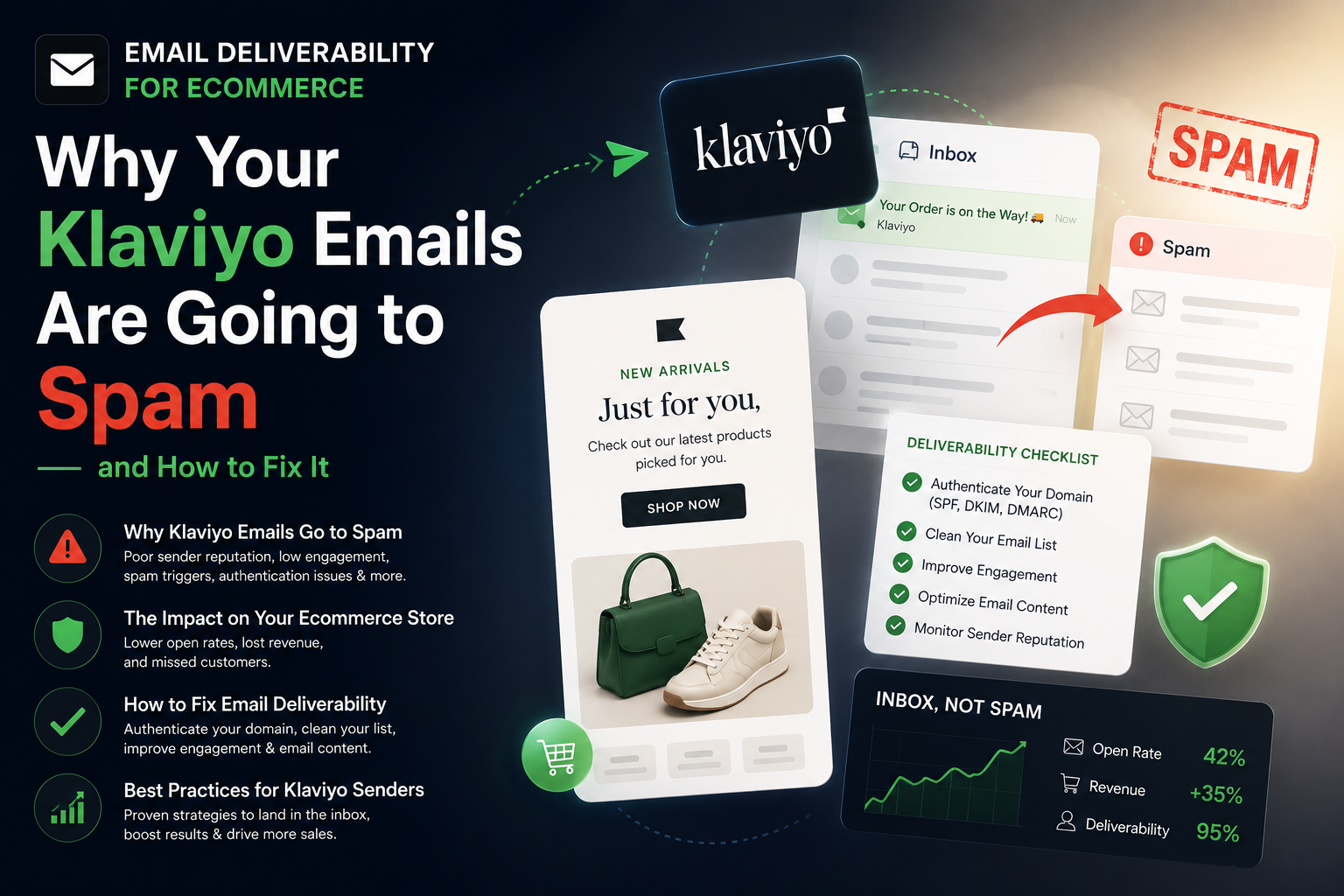
Ecommerce email deliverability problems cost you sales every single day. Learn why your Klaviyo or Shopify emails are going to spam and exactly how to fix your
Our highly experienced email deliverability managers consistently help clients achieve inbox placement rates (IPR) of more than 90% by uncovering and resolving the issues that keep messages from their intended recipients. Are you ready to do the same?