

With email deliverability, there is no metric as important as trust. And trust starts with Email Consent. If someone hasn’t agreed to hear from you, your emails are more likely to end up ignored, flagged as spam, or even worse, get your brand into legal trouble.
Consent in email marketing is very important, and in the article, I discuss how you can collect and use it the right way.
Email consent is simply the permission a person gives you to send them marketing emails. It’s the foundation of respectful and effective email marketing communication, and without it, you are risking deliverability issues and your reputation.
There are two main types of email consent, express and implied consent.
While implied consent exists, the gold standard is always express consent because it’s clearer, safer, and more sustainable especially if you hope to maintain a long-term relationship.
Why Consent Matters in Email Marketing
Under GDPR, GDPR consent emails must follow strict rules:
This means you can’t hide your opt-in inside small print or assume silence equals agreement. Transparency is key.
Getting consent isn't complicated, what matters most is clarity. Here are some tips for your consent email template or sign-up forms:
Skipping consent might give you a bigger list in the short term, but it backfires quickly. And some of the clear indicators you'd start to notice are; higher bounce rates, more spam complaints and lower engagements which will invariably do damage to your sender reputation. And once your reputation is damaged, even people who do want your emails may stop seeing them in their inbox.
By being transparent, respectful, and compliant, you’ll send better campaigns, protect your brand, and prevent your mails from going to spam.
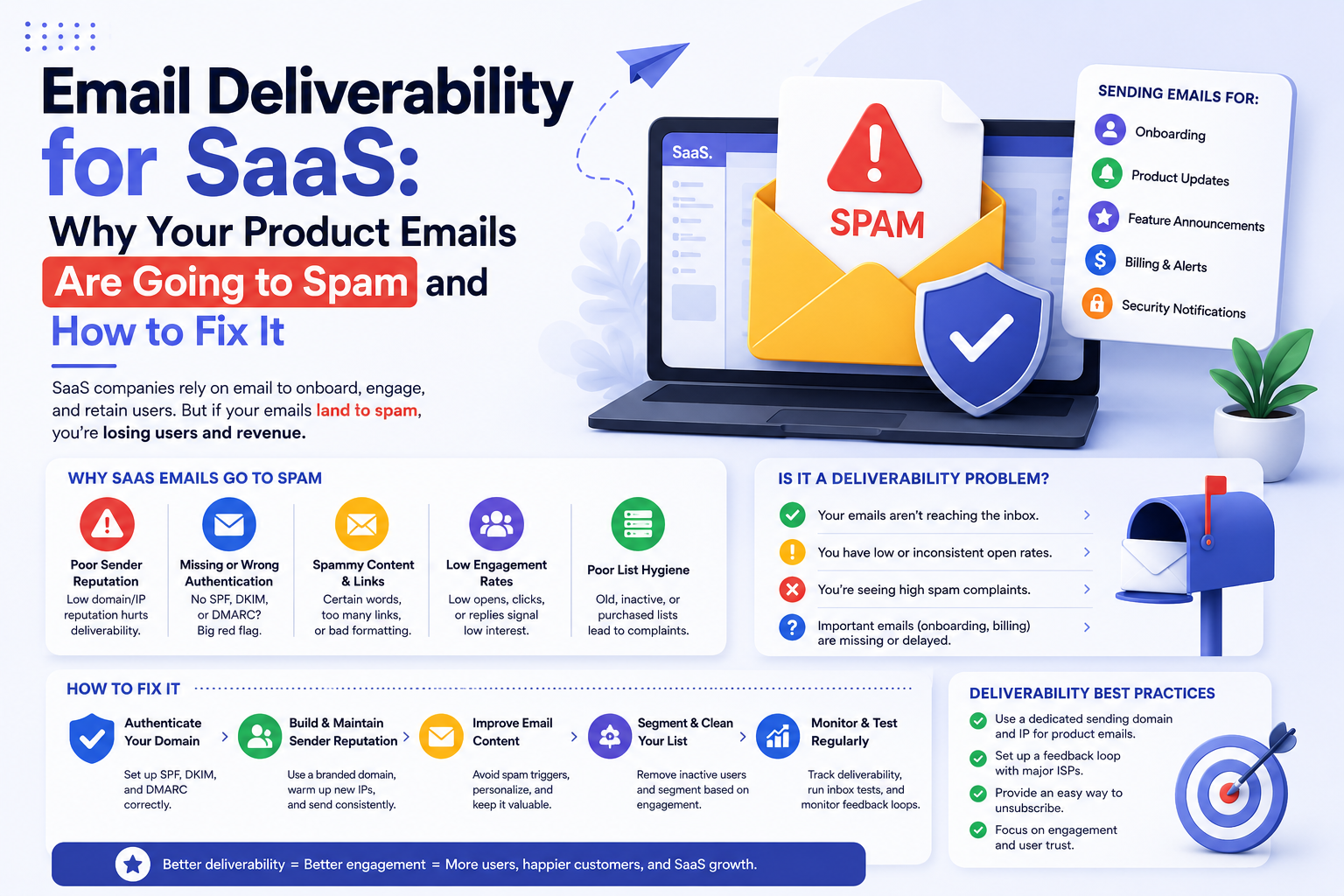
Product emails, onboarding sequences, and notifications going to spam in your SaaS product can kill activation and retention. Here is how to fix your SaaS email

Open rates dropping? It might be deliverability — or it might be something else entirely. This guide shows you how to tell the difference and fix the actual pro
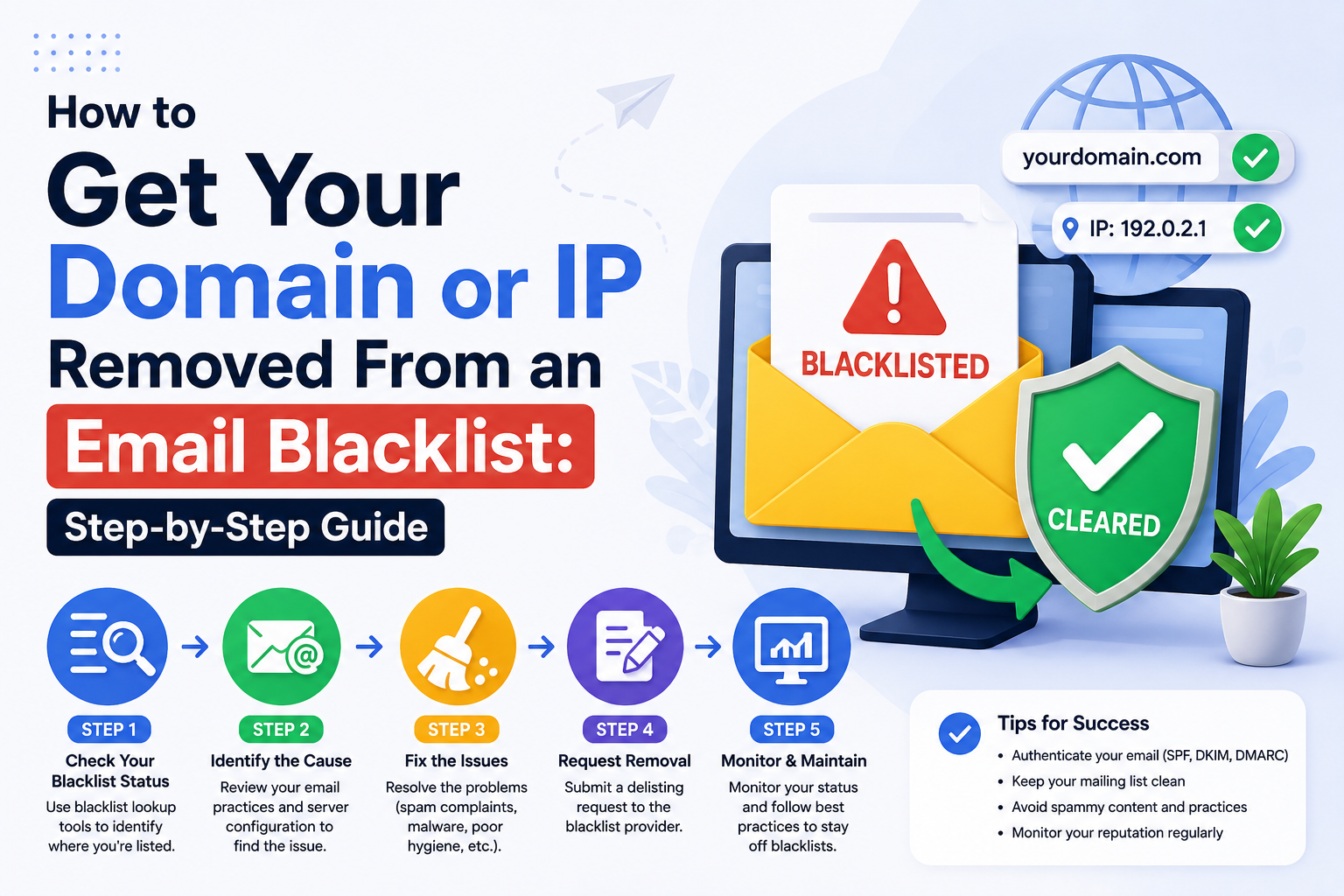
Your domain or IP is on an email blacklist and your emails are being blocked. This step-by-step guide shows you exactly how to identify the blacklist, fix the c
Our highly experienced email deliverability managers consistently help clients achieve inbox placement rates (IPR) of more than 90% by uncovering and resolving the issues that keep messages from their intended recipients. Are you ready to do the same?